In this article
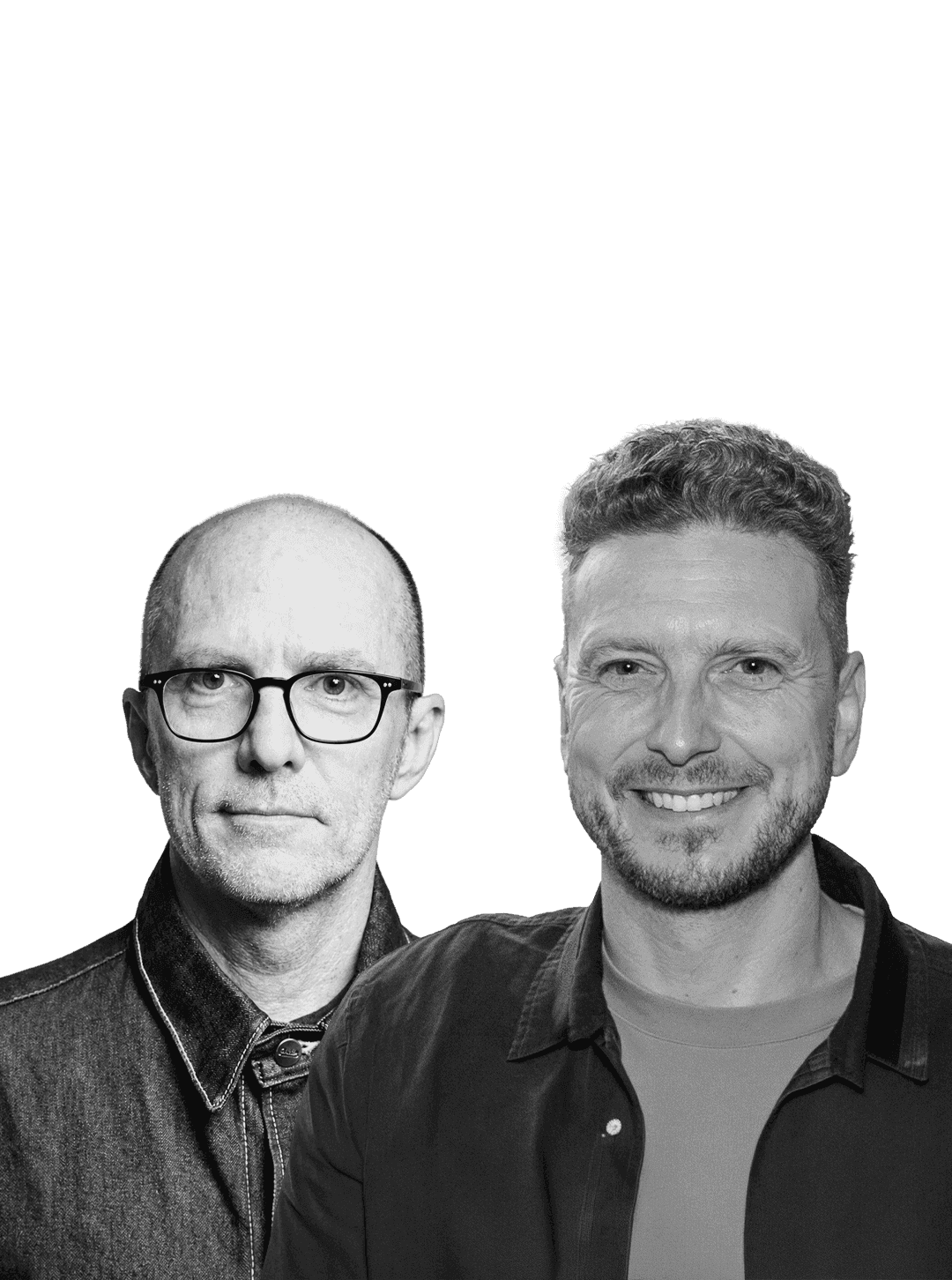
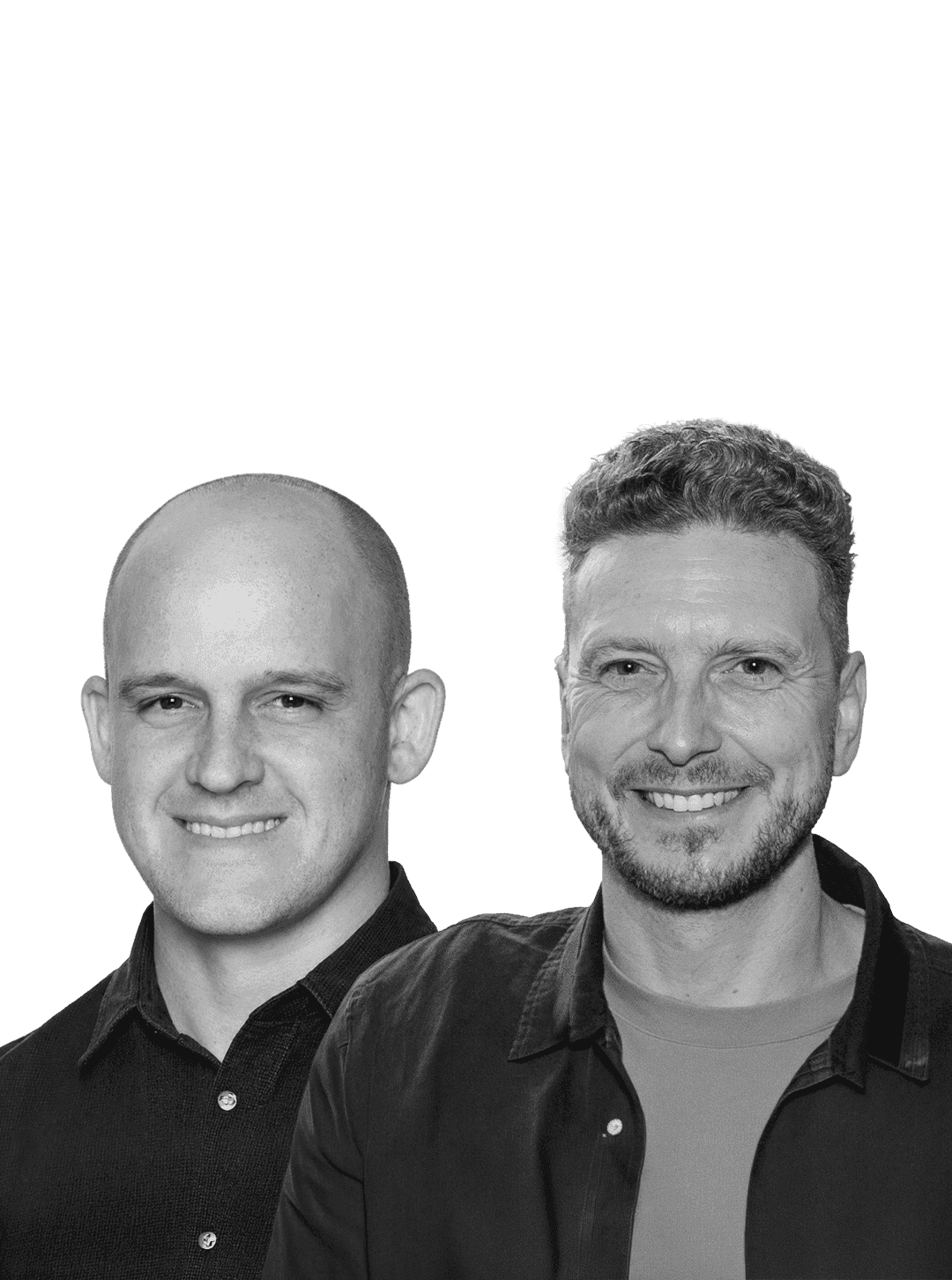
Episode seven of The Studio and E-commerce Collective brings on Matthew Miller, operations leader at Saks Global and formerly senior manager of Studio Operations at Saks Fifth Avenue and studio operations manager at Hudson's Bay Company. Rich Summers talks with him about building and running studio operations at luxury retail scale, from a full studio relocation to what the view looks like from both sides of the visibility gap.
An unlikely start
Matthew's route into studio operations began by accident. He arrived at a photo studio for freelance work building shelves and unpacking boxes. The studio manager noticed how he handled the task and asked if he would try working as a digital technician. Matthew's own words were that nobody should trust him near a computer or a set. He got the job anyway.
From there he grew into more complex operational roles, drawn less to photography itself and more to what sat around it. He noticed small things that made the day easier for everyone else, things others were not paying attention to. That instinct for spotting where a process was off, rather than assuming it was a people problem, shaped the rest of his career.
Relocating a studio without stopping production
The centerpiece of the conversation is the rebuild of the Saks Fifth Avenue studio. The lease on the old space was running out with no clear plan from the business, so Matthew and Allie McLeod, VP of Photo Studio, began building contingency plans before they had full sign-off. By the time leadership caught up, they were ready to move.
The brief was simple to state and hard to execute: relocate fast, and do not let content production stop. The studio housed several teams under one roof, on-figure product photography, a large editorial creative team, plus sample, retouching and copy. All of them needed more space.
The team left the old studio on a Friday and started shooting in the new one on Monday. No interruption, no disruption. Getting there took a coordinated effort across every manager and director, along with relationships with moving companies experienced in overnight turnarounds.
Designing around people, not just workflow
Asked what he prioritized when shaping how the new studio would function, Matthew's answer kept coming back to the team. Movement of people and product through the space needed to feel natural, with no teams bumping into each other. Sample flow from street level up to the studio mattered. But the real driver was empathy: thinking about the people walking through the door every day, not just on day one.
He gathered feedback from across the business, from the C-suite down to entry-level starters, and made a point of closing the loop when requests could not all be accommodated. One request came from the COO directly: build for growth of 15 to 20 percent a year, without asking the team to wait for a studio that only half worked on day one.
Matthew credits sending decisions through a small, coherent group, rather than deciding by committee, as one of the choices that kept the project on track. Starting from a fresh, empty shell rather than adapting an existing floor also gave them room to design properly rather than patch around constraints.
Where studio performance is decided
Asked how much of a studio's performance is set before a single product is shot, Matthew's answer was blunt: 100 percent. The team walks in ready to execute. What determines whether that execution goes smoothly is whether the process is already dialled in.
At Saks, that meant a high-volume operation. A ready-to-wear set alone could run through up to 70 items a day, and the studio was producing around 130 items daily across sets, scaling to roughly 25,000 a year. Daily and weekly scorecards let the team spot bottlenecks and patterns close to real time, even if not instantly.
Where time quietly disappears
Matthew shares a set of examples that will be familiar to anyone running a high-volume set. A model's pants need ironing before a shot. Ten minutes to stop, remove them, iron them, put them back on. Except the real cost is not ten minutes, it is the hour or two it takes the whole set to find its rhythm again afterwards.
His response to that kind of risk was to build contingency into everything: backup lighting, spare lenses, plans for a disorganized sample closet, cover for a prop that fails to arrive. His rule was straightforward. No emergency should happen without a plan already in place to absorb it.
On sample management specifically, Matthew is candid that the team he relied on ran a fairly manual, data-entry-heavy process, and that it would have been easy for an outsider to criticize it. But that team had strong leadership and never became the actual bottleneck. If anything, they were carrying too much, and a simpler system would likely have made their working life easier without changing the outcome.
Visibility cuts both ways
Having worked inside the studio and later moved closer to the business side, Matthew describes both sides through the same lens: out of sight, out of mind. Studio teams often feel disconnected from the wider business, which can affect morale over time. He credits leadership at Saks with deliberately building visibility all the way to the C-suite, which he saw lift motivation across the team.
Once he moved away from day-to-day studio operations, he noticed the reverse. It becomes easy to forget how much work the studio is doing when you are not walking past it every day.
That same visibility gap sits behind a lot of the tension between merchandising, buying and studio teams. Matthew is clear that failures in this relationship usually happen at the handoff points between teams rather than as one big catastrophe. His advice for studio leaders is to open the doors: invite merchandisers and buyers in to watch a shoot, make sure they understand what a reshoot actually involves, and treat other studios in the industry as allies.
AI, and what will not be replaced
On generative AI, Matthew's view is measured. It is already present in call centers, warehouses and copy teams, and studios are catching up at varying speeds. Rolling it into a studio workflow is not a simple switch. Legal implications, governance, cost and fit with existing tech stacks all slow things down at a business the size of Saks.
His advice to creatives is to get ahead of it anyway, so that when permission, budget and the right technology do arrive, teams are ready rather than caught out by the pace of change. What he is confident will not be replaced is taste, creativity and the judgment that comes from experience. That, in his words, is the strongest asset a studio has.
Looking ahead
Asked what studio leaders should focus on over the next couple of years, Matthew points to change itself: shifting technology, shifting customer expectations, and the discipline to focus on the change that actually matters rather than the noise around it.
Matthew is also a working artist with a Masters of Fine Art, and he speaks about how that practice keeps him curious and sharp as an operator. Details on his artwork and how to connect with him are in the episode description.
Listen to the full episode of The Collective podcast.
"No emergency should happen without a plan already in place to absorb it."
Matthew Miller, Saks Global
Matthew Miller is an operations leader at Saks Global, formerly senior manager of Studio Operations at Saks Fifth Avenue and studio operations manager at Hudson's Bay Company.