Case Study
Discover how organizations across industries rely on Lets Flo to simplify complex processes, improve visibility, and deliver outcomes that scale with their business.
Images delivered
Samples managed
From shoot to delivery

Background
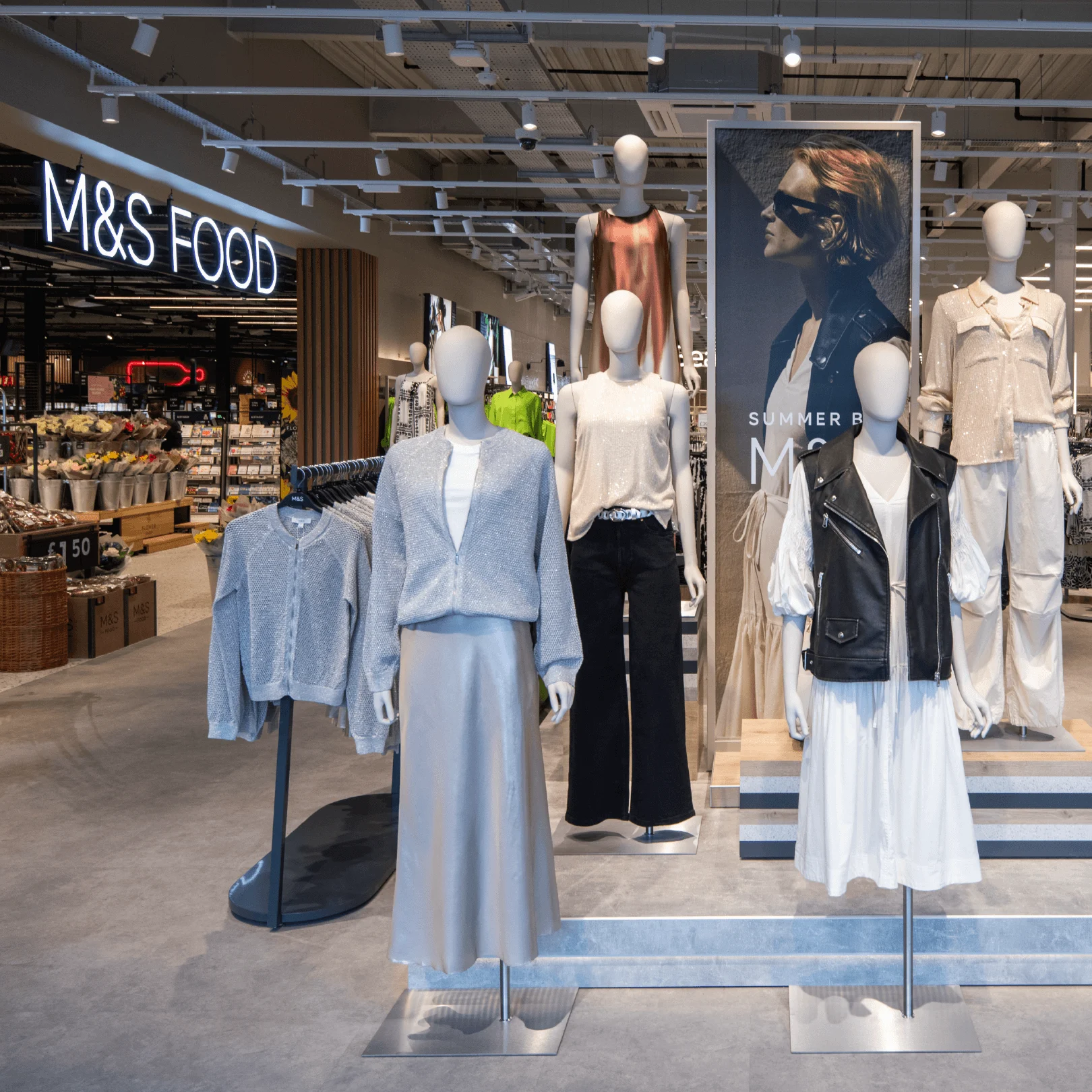
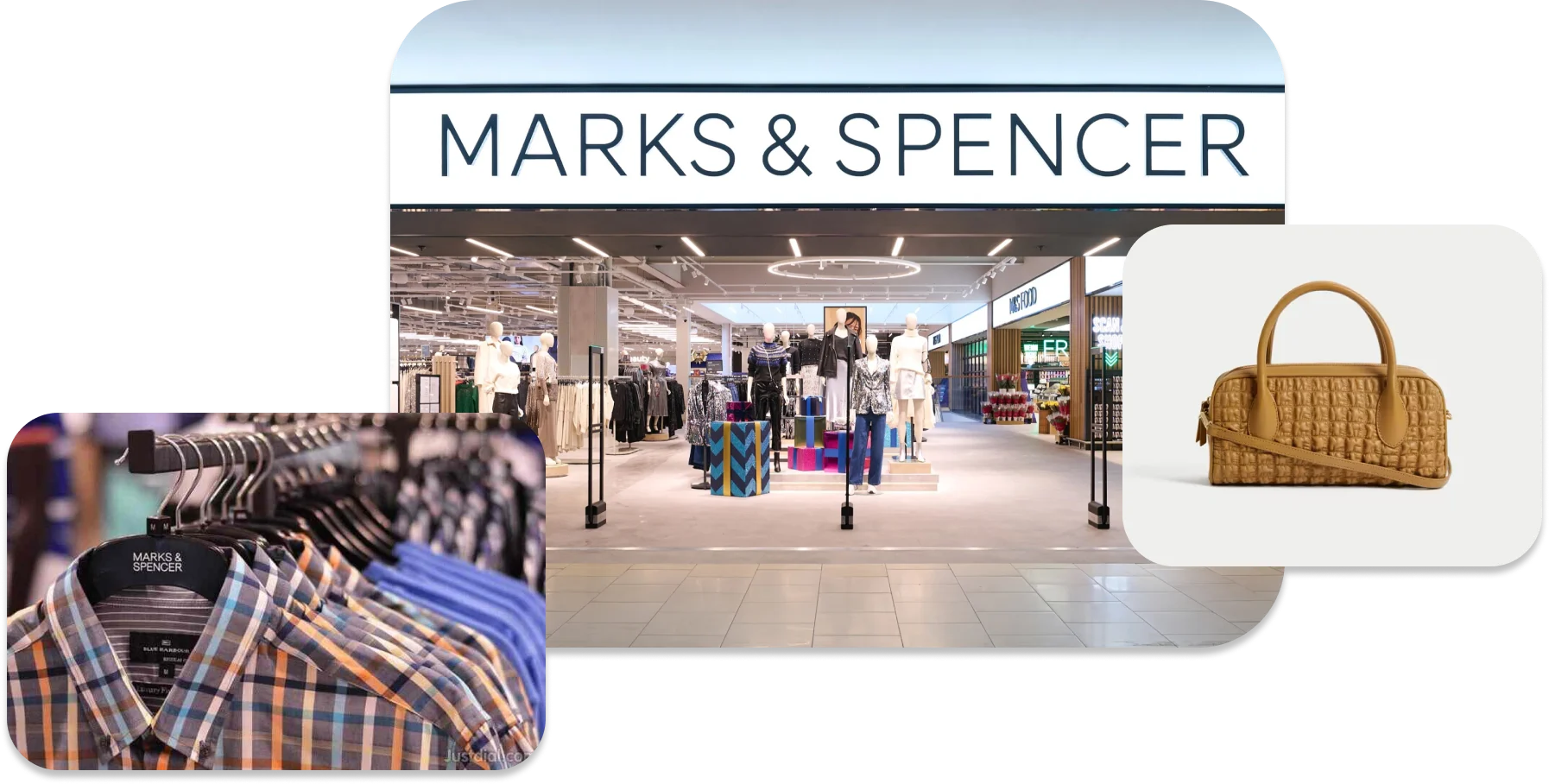
M&S, a prestigious and renowned British retailer, faced challenges in increasing the rate of content and image availability from their studio operations. The traditional methods, which relied heavily on emails, spreadsheets, and legacy systems, were cumbersome and inefficient. Sarah Lane, an imagery producer at M&S, gives her view of how M&S transitioned from multiple manual and siloed processes to Lets Flo to address these core issues.
Problem
Improving efficiency and workflow in content production, particularly in booking shoots, managing samples, and streamlining communication across multiple teams.
Challenges
Before adopting Lets Flo, M&S struggled with:
"The number of Excel sheets, the multiple systems that we were using and the number of emails we were sending was just excessive and inefficient."
Sarah Lane
Imagery Producer
Fragmented processes: Multiple spreadsheets, Google calendars, and email threads made tracking and managing shoots difficult.
Manual communication: Coordinating between teams and agencies involved a lot of back-and-forth emails, leading to delays and miscommunications.
Lack of visual tools: The reliance on textual product descriptions and legacy systems hampered quick decision-making and workflow transparency.
Onboarding new employees: Introducing new team members to the existing disjointed processes was time-consuming and confusing.
Solution
M&S implemented Lets Flo to give one single and real-time view of products, consolidate multiple systems, reduce manual tasks, increase visibility and enhance team collaboration.
"I think sometimes people might be afraid of change. I think we've had to adapt to that because I think for a long time we were just doing things that we felt were right because that just felt natural to us. And I think the idea of moving to one system to do the bulk of the work for us was a little bit scary at first but moving to Lets Flo has been absolutely brilliant."
Sarah Lane
Imagery Producer
Centralised workflow management: Lets Flo provide a live working document accessible to all stakeholders, including agencies and internal teams.
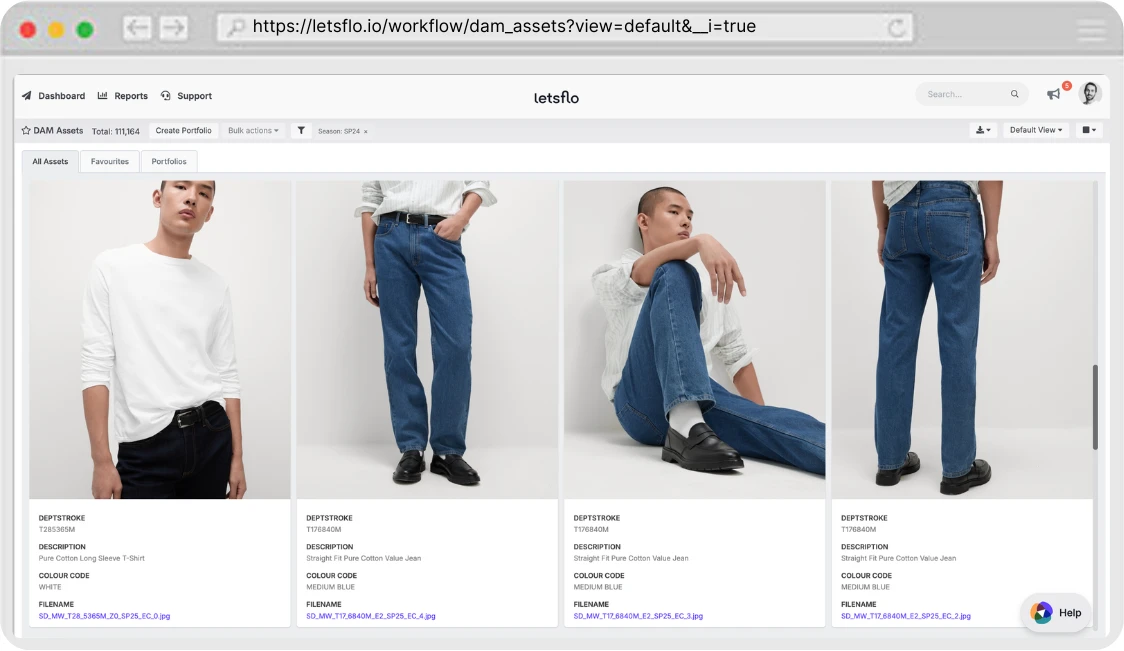
Visual tools: The ability to see product images as soon as they were available significantly improved workflow efficiency.
Customisable views and filters: Departments could tailor views to their specific needs, for example focusing on kidswear without the clutter of other categories.
Real-time data: Eliminated the need for overnight data feeds, and manual uploads, allowing real-time updates and visibility across teams.
Results
"The number of spreadsheets and Google docs that we had, the Google calendar, the back and forth of confirming shoots, separate spreadsheets for things like planning and the model roster - Lets Flo can hold all of that information for us. I just can't see why you wouldn't move to a system like Lets Flo, because essentially it's end to end."
Sarah Lane
Imagery Producer
Enhanced efficiency
Speed to site: The time required to get products online was significantly reduced, with instant visibility of samples as they arrived.
Reduced emails: Booking and confirming shoots could be done directly within Lets Flo, minimising back and forth on email.
Improved workflow transparency: Teams had a clear view of the entire process from sample check-in to final photography, ensuring no steps were overlooked.
Quantifiable benefits
Time savings: Significant reduction in the time spent managing shoots and communicating between teams.
Better resource management: The ability to see all shoots and model bookings in one place allowed for better planning and resource allocation.
Data Integrity: All actions and changes were logged within Lets Flo, providing a reliable audit trail.
User adoption
"We've had colleagues who have joined us in the last year. And when I explain the process that we used to do in the past, they can't quite believe it. I mean from their perspective, the idea of not using Lets Flo, is just unimaginable."
Sarah Lane
Imagery Producer
Positive feedback: New team members quickly adapted Lets Flo, finding it intuitive and comprehensive compared to the old systems.
Continued support: Lets Flo provide excellent customer service, including regular meetings to address issues and adapt the system to M&S’s unique needs.
Conclusion
M&S’s transition to Lets Flo has been a game-changer in their studio management process. By consolidating various tasks into a single platform, they have achieved greater efficiency, improved communication, and enhanced the overall quality of their content production. This case study highlights the importance of adopting modern, adaptable tools to keep pace with the demands of the ever-changing retail industry.
Your studio deserves better flow