In this article
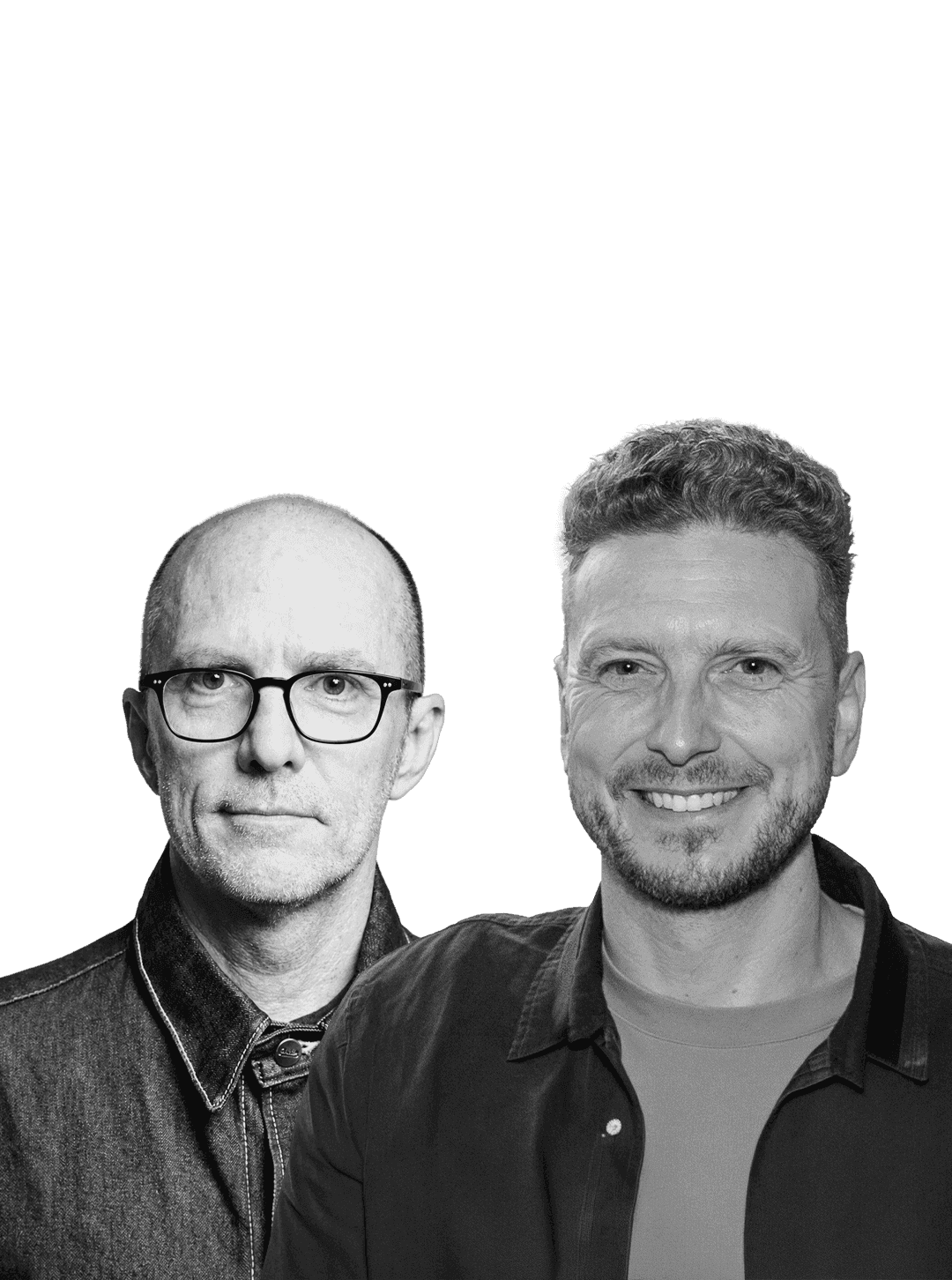
Episode six brings Johan Santos back to the podcast. Johan is Lets Flo's solution architect, based in New York, and the conversation with Rich Summers picks up quickly with a recap of Episode five's studio tax discussion before turning to the real focus of the week: what e-commerce content production actually looks like heading into 2026, and where it is headed next.
Mark the diary for London
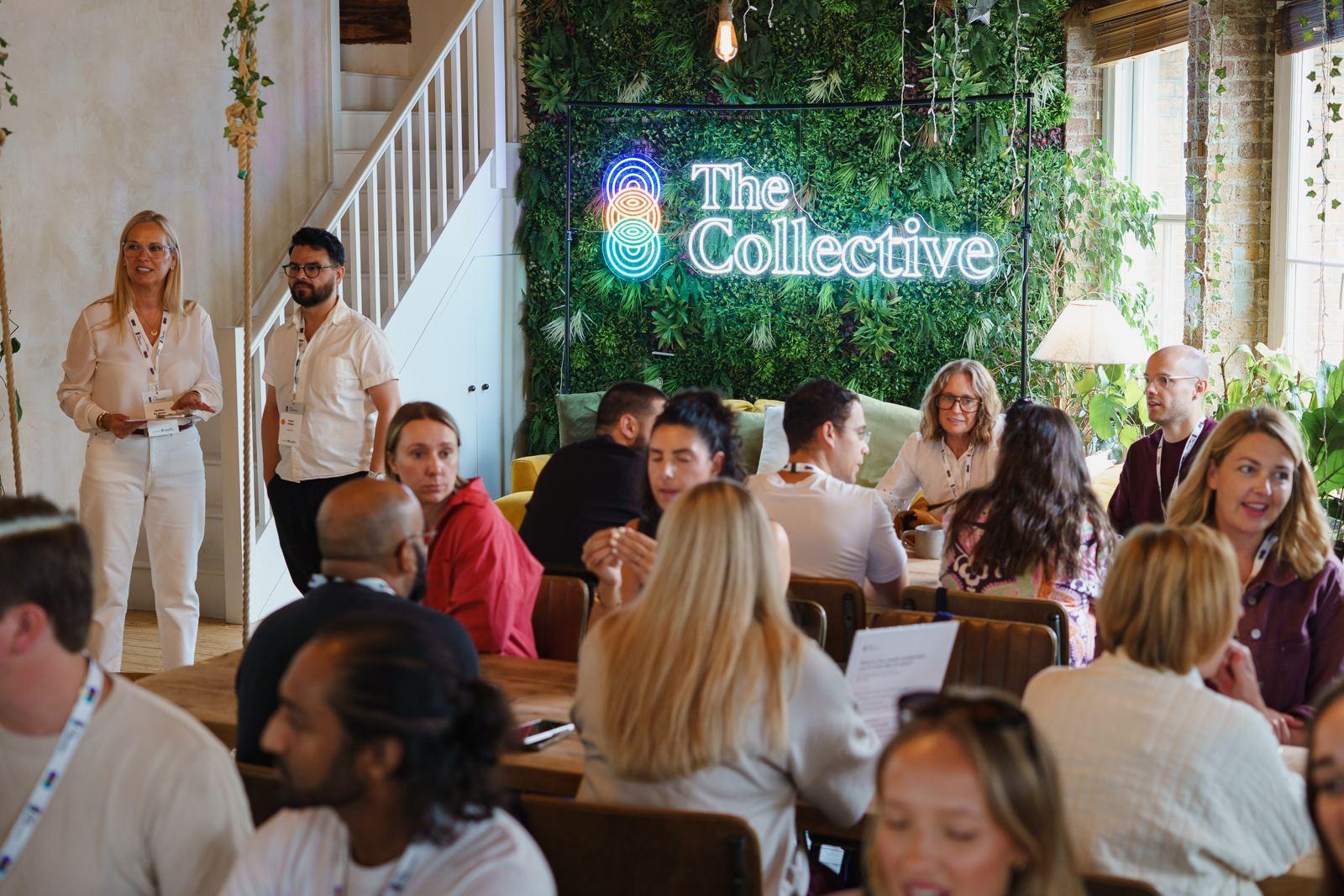
Before getting into the main conversation, Rich confirms a date worth circling. The first ever Studio and E-Commerce Collective event in London lands on Thursday, July 23rd, from 1pm at the Treehouse in Shoreditch. Speakers already lined up include people from Burberry and Sweaty Betty, with more to be announced. The timing lines up with something else worth celebrating: Lets Flo turns ten this year, so expect the event to double as a small birthday party. Anyone in London, the UK, or wider Europe can register through the Collective site, and Johan will be there too.
A studio built for furniture
Rich and Johan spend a few minutes on a recent trip through Brooklyn, Manhattan, and North Carolina, where the pair visited what Johan calls the biggest studio he has ever set foot in. It is a homeware operation rather than an apparel one, and both agree the shift in category has not changed the culture. The team there brought the same dedication and love of craft Rich and Johan see in fashion studios, right down to a photograph of a desk fan styled so carefully it looked like the turbine of a Rolls-Royce engine.
What a decade has actually changed
Ten years into doing this, Rich asks Johan what has shifted most. For Johan, it comes down to breadth. A photographer used to be able to specialize in one style and thrive. Now every person in a studio needs multiple disciplines under their belt to stay competitive, and the industry has moved fast enough to push even comfort-loving photographers into learning new tools, whether that is continuous lighting instead of flash, video work, or increasingly, AI.
Rich has watched a related pattern with shot counts and product volume, both of which have swung considerably over the decade. COVID caused a sharp contraction, tariffs added another shock, and geopolitics keeps nudging the numbers in ways studios cannot control but always have to absorb.
The customer calls the shots
One point Johan makes clearly is that studios rarely set the pace themselves. Product range and shot count follow customer behavior. When shoppers want a shirt in every color, studios have to deliver accurate color and sometimes a unique model per shade to make each option feel distinct. When a brand trims its range, the pressure does not disappear, it moves. Fewer products means each remaining asset has to work harder, often through more creative or editorial styling rather than a straightforward product shot. Rich sums it up well: reducing shot count is rarely about saving money. Usually it is about giving the customer a clearer choice.
Video's on again, off again relationship with e-commerce
Both hosts have watched video come and go in cycles for years, and Johan lays out why it is so hard to sustain. Everything starts with samples, since video leaves no room to fake a fit the way a still photo sometimes can. From there, video demands different lighting, different cameras, and workflow software that still lags well behind the speed of a modern photo pipeline. The result is a website where some products carry video and others do not, purely down to time or capacity. Customers notice the gap and read it as something being taken away, even though nobody promised it in the first place.
When budgets tighten
The conversation turns to cost, a topic neither host shies away from. Johan is candid about the hardest version of this conversation: sometimes a revenue drop does mean fewer people, and it is never an easy call. But when volume drops while revenue holds steady, Johan sees the better move as pivoting the studio toward more creative, higher value photography rather than treating it purely as a cost center. Beautiful, considered imagery consistently outsells a standard product shot, which reframes a studio from an expense to something that actively drives revenue.
Rich connects this to a wider trend he has noticed with clients: brands leaning into campaign-level imagery within their everyday e-commerce output, not despite tight budgets but often because of them. The best studios are not simply cutting costs everywhere. They are finding efficiency in the right places so they can invest the savings into the imagery that actually differentiates them.
The real economics of AI imagery
AI is very much part of the conversation right now, and both hosts have opinions worth sharing. Rich's concern is that most of the current AI discussion centers on cost cutting, which he finds a little deflating given how transformative the technology could be. When you actually run the numbers on producing an AI generated model image with correct fit, hair, makeup, and styling, the cost barely drops compared to real photography, because the same team of people, prompters, retouchers, and art directors curating the output, still needs to be there.
Johan adds an important layer: customers can see the difference, and they are responding. He points to growing pushback whenever AI generated campaign imagery becomes visible on a billboard or a website, often tied to a broader anxiety about jobs disappearing. One example he raises involved a retailer using a model's likeness to generate campaign imagery without her permission or payment, which led to a lawsuit that was reportedly settled. Rich's takeaway, borrowed from a conversation at one of the Collective events, is blunt: trust builds like a coconut tree and falls like a coconut. Where AI genuinely works well right now is in places that do not involve a person, such as swapping a studio backdrop for a sunset scene behind a homeware set. Getting AI-generated humans right for commercial imagery, both agree, is not quite there yet.
Retouching has quietly matured
Johan traces an interesting arc in retouching. Early in his career, teams segmented every part of a model, adjusting skin, clothing, and background piece by piece until the image looked flawless. Customers eventually pushed back, calling out imagery that looked too polished and uncanny. Studios responded by pulling back, and the retouching that remains now focuses less on erasing imperfections and more on color accuracy, making sure a product reads the same shade across an entire series of images rather than shifting from shot to shot. Some brands, particularly those built on authenticity, now explicitly instruct retouchers to leave real skin and real bodies alone.
What the best studios do differently
Turning to what separates world class studios from the rest, Rich points to preparation that happens long before a camera comes out. The studios that get sample tracking right, often weeks ahead of a shoot, avoid the scramble that derails everything downstream. That head start carries through to styling, where a stylist working from good data before the outfits are even pulled together moves through the day calmly rather than chaotically. Even studios without a dedicated tool for this tend to share one trait: they plan.
Johan frames it as building the boring, repeatable parts of the job so well that skipping them becomes harder than doing them properly. He pairs this with a point about people: studios that check in with their teams, understand what motivates each person, whether a constant stream of challenging projects or genuine time to switch off, get sharper creative output in return. Push a team without this balance and the quality drops along with morale.
People first, always
Rich draws a direct line between Johan's approach and the one Alison, the former Net-a-Porter studio director who joined the podcast a few episodes back, described in her own interview. Both talk about people before process and process before technology, a sequence Rich also heard echoed in a talk from PVH's Nick Goodchild and Claire Carter Ginn at a Henry Stewart event. Johan's closing advice for studio managers is to expect the unexpected, resist chasing every new tool the moment it appears, and trust the team already in the room. Rich adds a cautionary note from his own experience: he recently watched a highly talented studio team leave en masse after being stretched across an unsustainable run of overlapping shoot cycles, a reminder of how much is lost when burnout goes unaddressed.
Before you go
If you are in London, the UK, or Europe, the first Studio and E-Commerce Collective event takes place Thursday, July 23rd from 1pm at the Treehouse in Shoreditch. Head to the Collective website to register.
Listen to the full episode wherever you get your podcasts.
"Reducing shot count is rarely about saving money. Usually it is about giving the customer a clearer choice."
Rich Summers
Episode six features Rich Summers with Johan Santos, Lets Flo's solution architect based in New York. References Episode five's studio tax discussion and an earlier episode featuring Alison, former Net-a-Porter studio director.