In this article
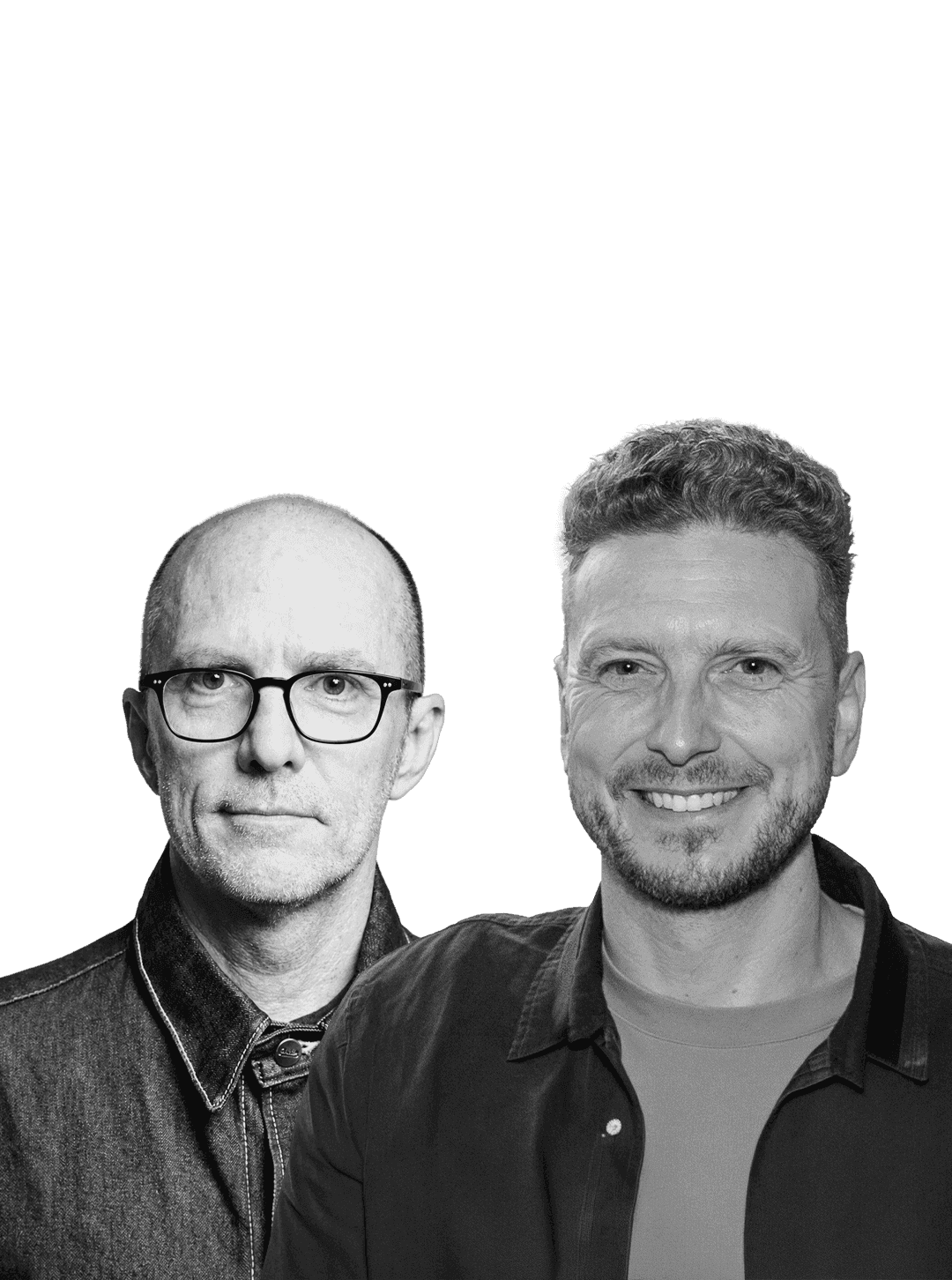
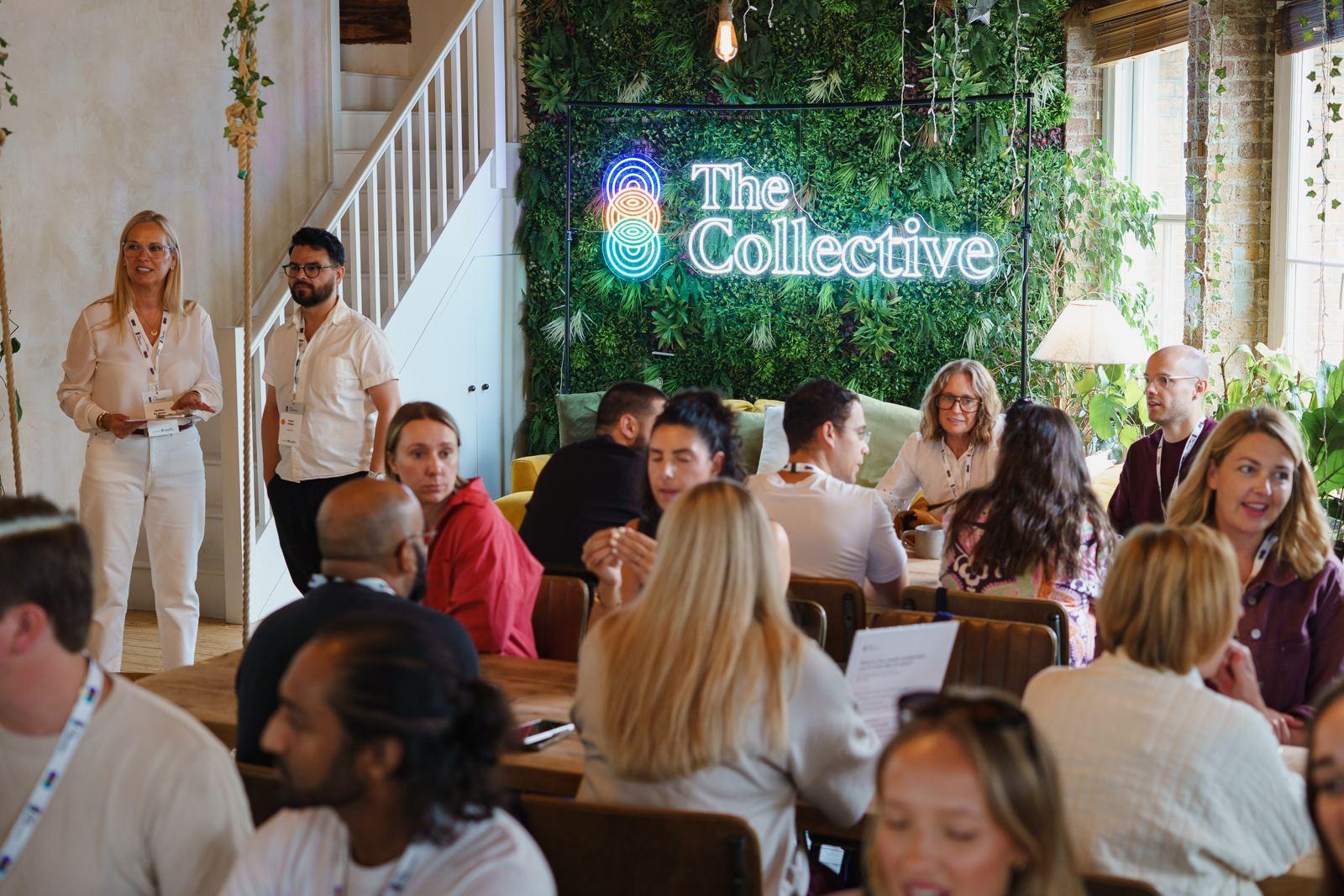
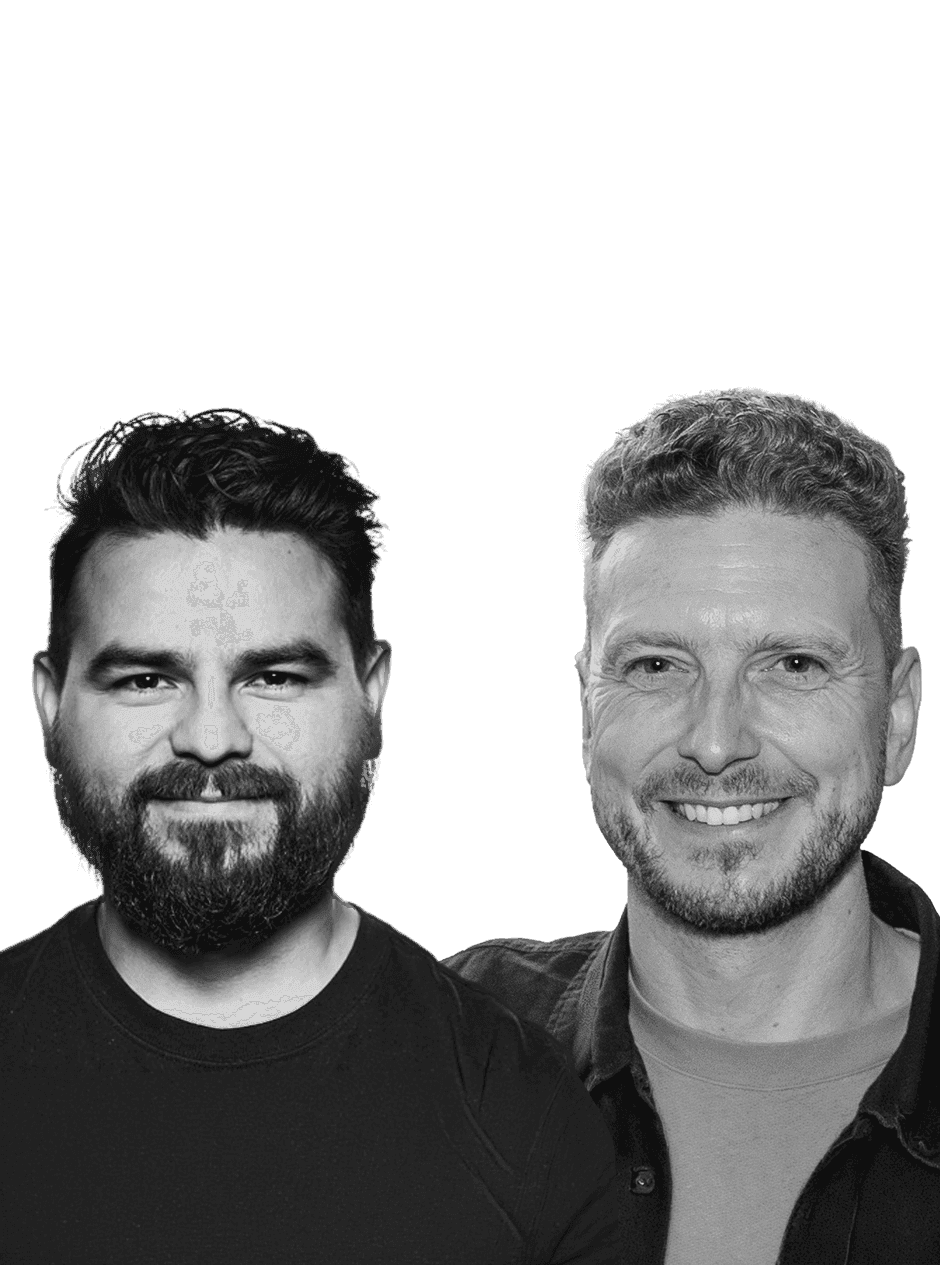
Episode eight is a milestone of sorts. For the first time, Rich Summers and Johan Santos are recording in person, in a proper podcast studio with the Collective branding on the wall, rather than dialling in from opposite sides of the Atlantic. Johan has flown in from New York, and the timing is no accident. The recording happens the night before the very first Studio and E-Commerce Collective event in London, so instead of introducing a new topic, the pair take a step back and revisit everything the podcast has covered so far.
Why this podcast exists
Rich opens by asking Johan how the podcast has felt from the inside. What started as a side project within Lets Flo has grown into something closer to its own job, and Johan admits he used to dread the recordings before realizing the topics were exactly what he and Rich already discuss with clients every week. The bigger discovery, looking back, is how many studios face the same problems while working in complete isolation from one another. Johan has seen it from both sides, first as a photographer and studio leader, then coming in from the outside offering solutions. Nearly every studio he walks into is wrestling with a version of the same issue, just without knowing anyone else has already solved it.
The forgotten shot
Johan shares a story that captures the studio tax better than any definition could. His team believed they had wrapped for the week. Talent had gone home, assistants had left, and Johan himself had his backpack on and one foot out the door when his boss remembered a shot had been missed. What followed was Johan and his creative director holding lights themselves, shooting the missing product because it had to go live for the weekend, and retouching working through Saturday and Sunday to make it happen. Nobody planned for this. It came from disorganization nobody had intended, in a process that gave nobody the room to catch the gap earlier.
Coping is not the same as thriving
Rich points out something he has noticed across dozens of studios: teams will move mountains to hit a launch date, working nights and weekends because e-commerce simply does not stop. That can look like dedication from the outside, but it is really a studio surviving in a state of constant coping. Johan adds an important layer. Many of those deadlines are not set by the studio at all. They come from brand contracts, embargoes, and launch dates decided at the top of the business. No amount of internal studio organization fixes a problem that starts above the studio, which is why a solution has to work across the whole organization, not just within the four walls of production.
The trouble with spreadsheets
If there is one tool that shows up in nearly every studio Johan has walked into, it is the spreadsheet. It is brilliant because anyone can build one in minutes. It is dangerous for exactly the same reason. Spreadsheets have no real status updates, no way to flag that they have gone stale, and no resistance to the moment someone busy, or on holiday, or burnt out, stops keeping it current. They work fine at a small scale and start to break the moment volume increases, which is precisely the moment a studio needs them to hold up.
Every studio has a hero
One of the more striking patterns Johan has seen is the presence of a change maker in almost every studio, someone quietly pushing for better ways of working. Leaders who spot that person and give them room to act keep them. Leaders who ignore them lose them, either to disengagement or to another company entirely. Rich compares the studio's best operators to swans, graceful on the surface while paddling hard underneath, and Johan is quick to point out they rarely do it alone. Behind every studio superstar sits a network of champions across sample management, styling, and production planning who make the whole thing hold together.
Built for adaptability, not just talent
Asked what he looks for in people joining a studio, Johan is clear that raw talent matters less than a willingness to change. Studios that never bring in anyone willing to challenge the original setup tend to freeze at whatever point their systems were first built, sometimes for the better if the original design was strong, but always at the cost of getting better over time. Johan's analogy is a car with the steering wired backwards. People get used to turning left to go right. It works, technically, but nobody would call it good design, and nobody wants to be the one who finally fixes it.
Change is a thousand small steps
Rich and Johan agree that meaningful change in a studio is rarely one dramatic overhaul. It looks more like a constant series of small improvements, and the studio managers who handle it best are also the ones who can explain it clearly to the rest of the business. Johan reflects on his own move from photographer to studio manager, and the lesson that stuck was resisting the urge to control exactly how people worked. Micromanagement breeds resentment and shuts down the flow of new ideas. Letting people find their own way, even when it means occasionally being wrong yourself, builds the kind of trust that keeps good ideas coming. Rich sums up the difference with a line he has carried for years: people follow managers with their head and leaders with their heart.
Three paths off the spreadsheet
The conversation turns to what studios actually do when they decide the spreadsheet era needs to end. Johan lays out three options. The first is doing nothing, which he dismisses quickly since it helps nobody and only delays the inevitable. The second is building something in house, often appealing given the recent wave of AI coding tools. Johan has a cautionary tale here. A previous employer built an impressive internal platform giving real time status on every product, one of the first of its kind he had seen. Years later, he asked former colleagues for a screenshot of it and learned the tool had quietly died once a warehouse data connector broke and nobody remained who knew how to fix it. The team went back to folders, a full regression to option one.
The third path is partnering with a specialist who has already solved these problems across many clients. Johan compares it to fixing your own car versus taking it to a professional who has already diagnosed the same fault a hundred times before. It is less about handing over control and more about a genuine partnership, one where the accumulated lessons of every previous client mean your studio benefits from fixes you never had to discover the hard way yourself.
The engine, not the accessory
Rich raises a distinction he thinks boards and executives frequently miss. Creative campaign work gets the glamour, but e-commerce content is where the money is actually made. Starve that side of the business of the right tools and people, and you put a ceiling on how fast the whole company can move. Rich's analogy is a Formula One car with a small engine bolted into the wrong side of the garage. Johan extends it further: an F1 car is covered in sensors because data is what actually makes it fast, and a studio wired up the same way can shoot the same volume, faster and with fewer mistakes, while saving and making money at the same time.
What good process actually saves
Get sample management right, and reshoots drop, styling gets more flexible, and sample orders themselves fall, which is a direct cost saving before anything else changes. Great stylists sell whole outfits rather than single products, which drives more revenue on its own. Put sample management, styling, and production planning together and content moves faster, freeing up time that studios can reinvest as more shots, more experimentation, or better gear. Johan points to his own experience at Anthropologie, where efficiency gains were reinvested into better equipment and more flexibility for the team, which fed directly into creative work that later found its way onto social and web.
Retention is the real return
Beyond the direct savings, Rich and Johan both point to something harder to put a number on: a calm, well-run studio keeps its best people. Every time a studio loses a great person, the dip in output is obvious and painful to recover from. Retention, in Johan's experience, comes down to listening closely to what each individual actually needs, whether that is a constant stream of creative challenge or more operational, numbers-driven work. He credits Alison, the former Net-a-Porter studio director who joined an earlier episode, for the idea of stay interviews, regular informal check-ins that let people know their growth genuinely matters. Johan never ran them quite that formally himself, but the people who used to report to Alison spoke about her unprompted, which told him everything about how well it worked.
The audit that changes everything
Rich shares a story from one of the speakers lined up for the London event, who once led a full audit of an entire studio's process, starting from the very first moment a product became visible to the team, months before it would ever be shot. The result was a whiteboard spanning thirty or forty feet, covered in what they described as a million Post-it notes. Johan calls this kind of audit rare precisely because most people are too close to their own part of the process to see the ripple effects of it. Audits done well, without an agenda to cut headcount, function more like a therapy session: listen first, understand the root cause, and come out the other side with an actual plan rather than blame.
Before you go
Tomorrow marks the first ever Studio and E-Commerce Collective event in London, with three speakers confirmed: Matthew Paul from John Lewis and Inspired Thinking Group, Josie Diamond from Sweaty Betty and formerly John Lewis, and Theodore Ellis, formerly of Burberry. A full recap will follow in an upcoming episode for anyone who cannot make it in person.
Listen to the full episode of The Collective podcast.
"People follow managers with their head and leaders with their heart."
Rich Summers